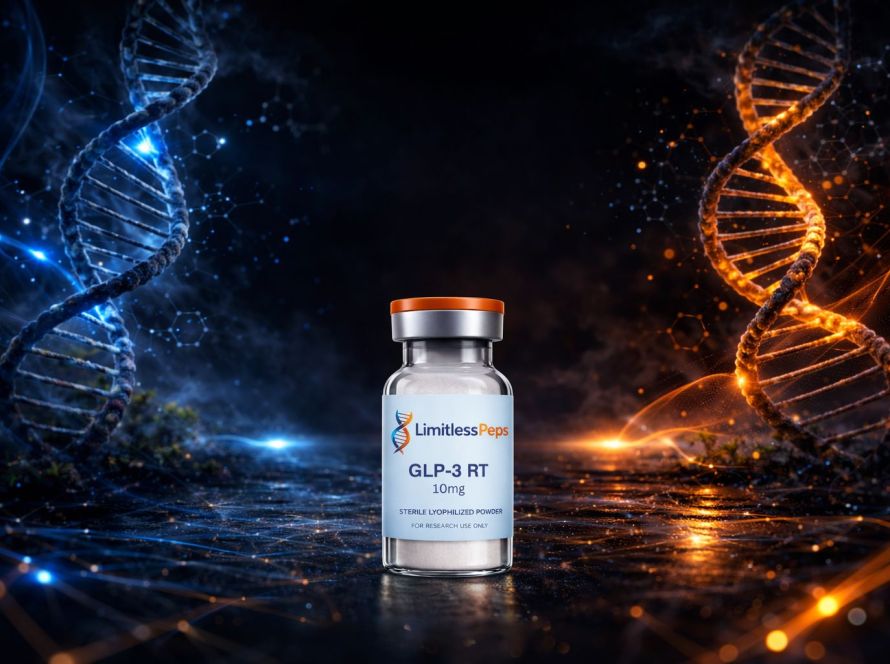
High-Purity Research Peptides: Why Quality and Testing Matter
Introduction
In the field of research peptides, quality is a critical factor that directly influences the reliability of experimental outcomes. High-purity compounds and verified testing protocols are essential for maintaining consistency, accuracy, and reproducibility in controlled research environments.
Researchers depend on properly characterized materials to ensure that results reflect true experimental variables—not inconsistencies in compound quality.
⸻
Why Peptide Purity Matters
Peptide purity refers to the percentage of the intended compound present within a sample. In most research applications, 98% or higher purity is considered the benchmark.
Lower-purity peptides may introduce:
• Unwanted variables into experiments
• Variability across trials
• Reduced reliability of results
Using high-purity research peptides helps ensure:
• Controlled experimental conditions
• Greater reproducibility
• More accurate data interpretation
For research applications, purity is a foundational requirement.
⸻
The Role of Testing in Research Peptides
Testing is the primary method used to verify peptide quality. Without proper analytical validation, there is no reliable way to confirm composition or purity.
Reputable suppliers provide independent testing documentation, which typically includes:
• Certificate of Analysis (COA)
• Purity verification
• Compound identification
• Analytical testing results
This documentation ensures that each batch meets defined quality standards.
⸻
Why Independent Testing Matters
Independent (third-party) testing plays a key role in ensuring objectivity and consistency.
Benefits include:
• Unbiased verification of purity and composition
• Transparent reporting of analytical results
• Improved batch-to-batch consistency
Without independent validation, there is no confirmed assurance of product specifications.
⸻
Risks of Low-Quality Peptides
Using peptides that lack proper testing or purity standards can lead to:
• Inconsistent or non-reproducible results
• Presence of unidentified impurities
• Increased need for repeated experiments
• Reduced confidence in research findings
These issues can significantly impact efficiency and data quality.
⸻
Benefits of High-Purity Research Peptides
High-quality peptides provide several advantages in research settings:
• Improved accuracy of experimental outcomes
• Greater reproducibility across studies
• Reduced variability in data
• More efficient research workflows
Consistent material quality allows researchers to focus on analysis rather than troubleshooting inconsistencies.
⸻
How to Choose a High-Quality Peptide Supplier
When sourcing research peptides, it’s important to evaluate suppliers based on transparency and quality standards.
Look for:
✔ Availability of Certificates of Analysis (COA)
✔ Clearly defined purity levels (98%+)
✔ Independent testing documentation
✔ Consistent product labeling and batch tracking
✔ Reliable shipping and handling practices
Avoid suppliers that:
• Do not provide verifiable testing data
• Offer unclear or incomplete product specifications
• Lack transparency in sourcing or quality control
⸻
Understanding the Certificate of Analysis (COA)
A Certificate of Analysis is a key document that verifies the quality of a peptide batch.
It typically includes:
• Compound identification
• Purity percentage
• Analytical methods used (e.g., HPLC, mass spectrometry)
• Batch or lot number
• Independent lab verification
Reviewing the COA ensures alignment between product specifications and actual composition.
⸻
Final Thoughts
High-purity research peptides and validated testing protocols are essential for maintaining consistency and reliability in research environments. By working with suppliers that prioritize transparency, testing, and quality control, researchers can minimize variability and improve overall outcomes.
In research settings where precision is critical, verified quality is a necessary standard—not an optional feature.
⸻
Compliance Note
These materials are intended strictly for research and laboratory use only. They are not intended for diagnostic, therapeutic, or any other non-research applications.